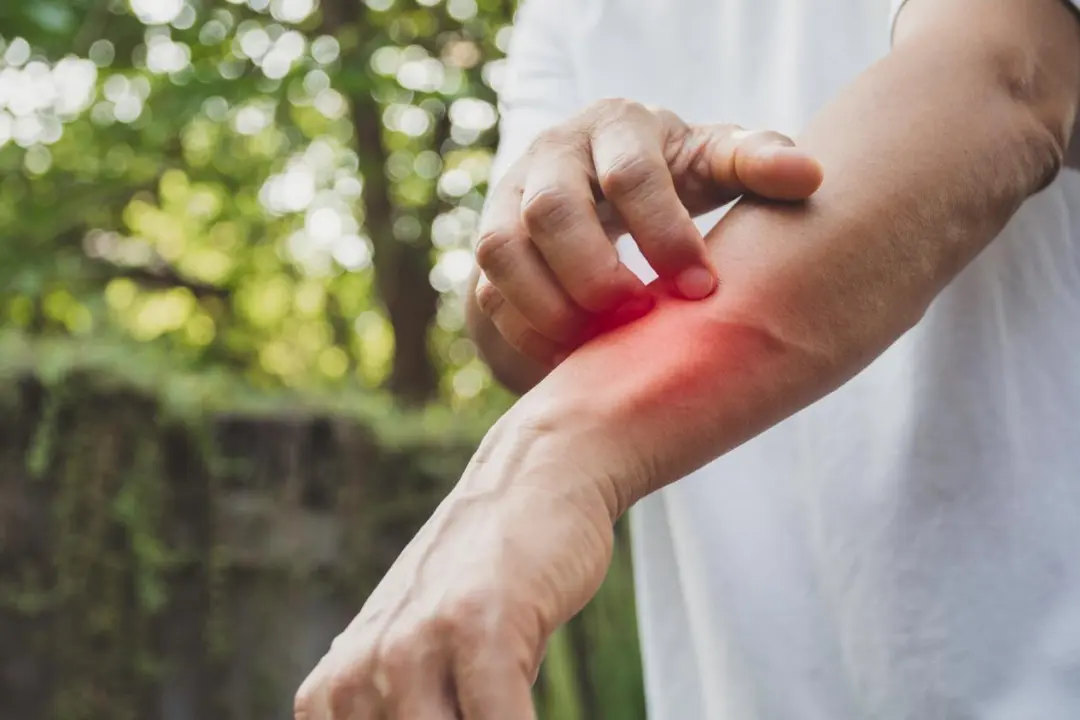
BEIJING — For many older adults, shingles starts as a painful rash, but the real challenge can begin after the skin has healed. When burning, stabbing, or electric-shock-like pain persists for weeks, it may be a condition called postherpetic neuralgia (PHN) — a complication caused by nerve irritation after a shingles outbreak.
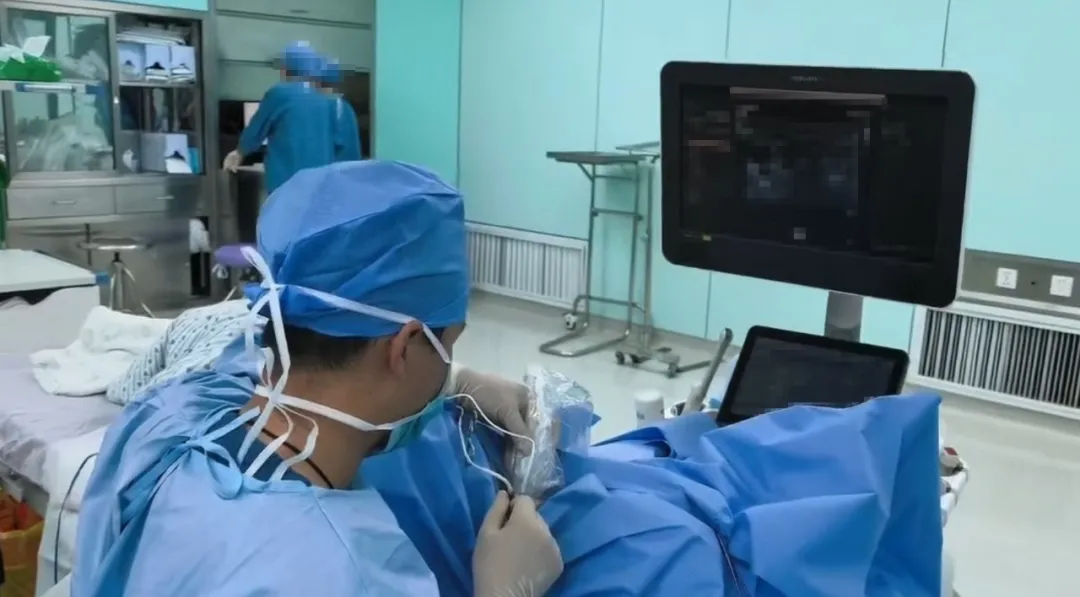
A patient in her 60s recently came to Beijing Edencare Hospital after more than three weeks of severe pain in her left upper limb. Oral pain medication provided little relief, and the discomfort was keeping her awake at night. After evaluation, the hospital's pain-management team identified the source as postherpetic neuralgia and proposed an ultrasound-guided, minimally invasive option known as pulsed radiofrequency (PRF).
Why Shingles Pain Can Linger After the Rash Fades
Shingles is caused by the reactivation of the varicella-zoster virus, the same virus that causes chickenpox. During an outbreak, the virus can irritate or damage nearby nerve fibers. Even after the skin lesions heal, the affected nerves may continue to send abnormal pain signals to the brain.
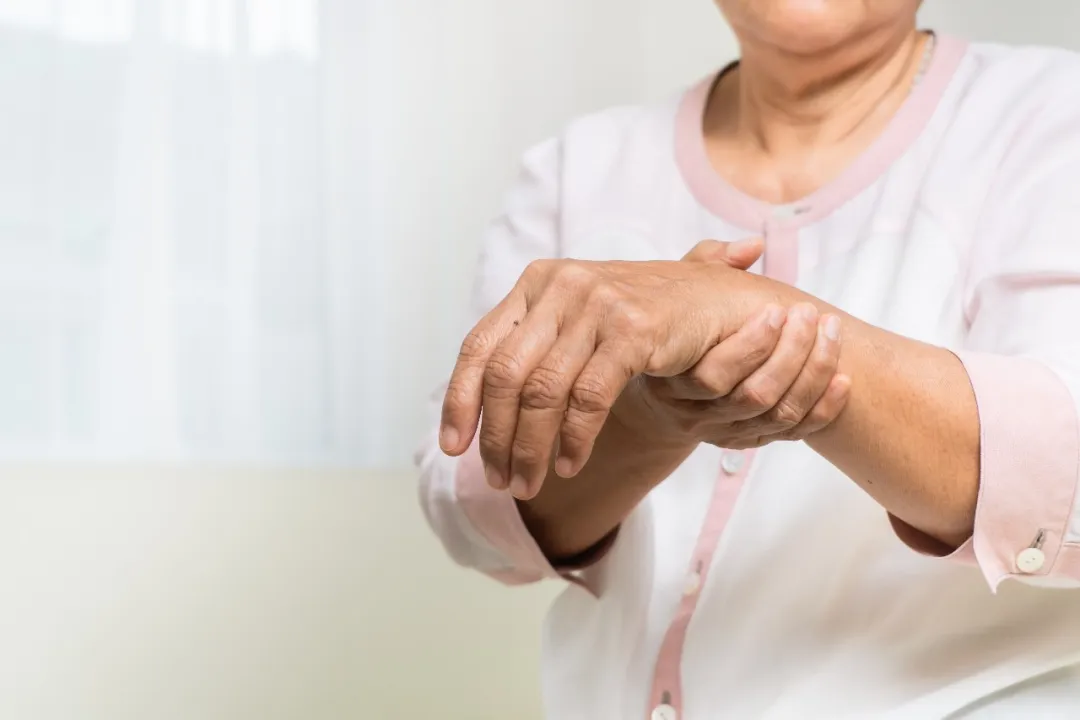
This lingering nerve pain is one of the most common complications of shingles. It is more frequent with increasing age and can significantly affect sleep, mood, and daily activities. Early evaluation and targeted pain management are important because the longer severe nerve pain persists, the harder it can be to treat.
What Is Ultrasound-Guided Pulsed Radiofrequency?
Pulsed radiofrequency is a minimally invasive pain-management technique. Unlike some thermal procedures that deliberately damage nerve tissue, PRF uses short electrical pulses to influence how the nerve transmits pain signals — without destroying the nerve structure.
Under real-time ultrasound guidance, the physician identifies the affected nerve root and surrounding structures, then places a fine needle near the target area. The procedure has three main steps:
Ultrasound Visualization
Real-time imaging helps the physician locate the nerve root and avoid nearby blood vessels, improving accuracy and safety.
Pulsed Radiofrequency Modulation
A thin radiofrequency probe delivers controlled electrical pulses near the nerve, helping to "reset" abnormal pain signaling.
Targeted Medication
A small volume of anti-inflammatory and nerve-nourishing medication is delivered directly to the affected area to reduce irritation.
A One-Hour Procedure, Awake and Responsive
The procedure is performed under local anesthesia, with the patient awake throughout. In this case, the entire process took about one hour. Afterward, the patient reported that the previously tense, burning area felt more relaxed, and she was able to sleep more comfortably that night.
Individual responses vary, and not every patient experiences the same degree or speed of relief. The goal of PRF is to reduce the intensity of nerve pain and improve quality of life, often as part of a broader pain-management plan.
Preventing Shingles and Its Aftermath
Once pain is under control, prevention becomes the next topic. Vaccination is the most effective way to reduce the risk of shingles and its complications, including postherpetic neuralgia.
According to Chinese public-health guidance, two main vaccine options are available for adults:
- Recombinant zoster vaccine: Recommended for adults 50 years and older; given as two doses, 2 to 6 months apart. Clinical trials have shown high efficacy in preventing shingles and PHN in this age group.
- Live attenuated zoster vaccine: An option for adults 40 years and older; given as a single dose.
People with chronic conditions such as diabetes, chronic lung disease, or chronic kidney disease, as well as those with high stress or irregular routines, may benefit from discussing vaccination with a clinician. A common misconception is that having had shingles once provides lifelong immunity — in fact, the virus can reactivate again if the immune system is weakened.
A Note on Individual Care
This article describes one patient's experience for general health education. Results vary by individual, and pulsed radiofrequency is not suitable for every type of pain. Vaccination decisions should be made with a qualified clinician based on your age, medical history, and local guidelines. If you have persistent nerve pain, please seek evaluation at a qualified medical institution.
Living with Persistent Nerve Pain?
Beijing Edencare Hospital's Pain Management team provides assessment and individualized treatment planning for post-shingles neuralgia and other chronic pain conditions. Our international patient team can arrange your visit in English or other languages.