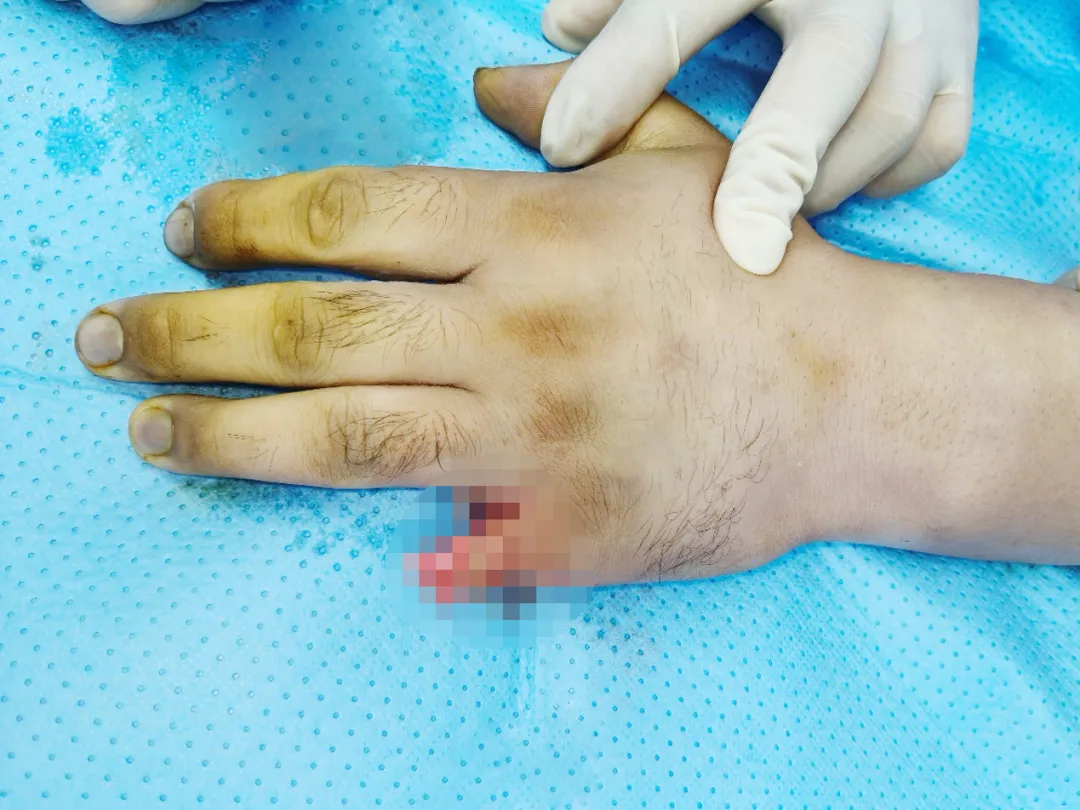
BEIJING — When a young patient arrived at Beijing Edencare Hospital with a severely injured little finger after a traumatic accident, the priority was clear: preserve as much function and natural appearance as possible. In reconstructive microsurgery, even a single finger matters — it is essential for everyday tasks such as writing, eating, and greeting others.
A severe crush injury can destroy bone, tendons, nerves, and the tiny blood vessels that keep tissue alive. Simple closure may seem straightforward, but it can leave a permanent deformity — affecting not only hand function but also a person's confidence in work and social life. For a young patient, that impact can last for decades.
Why Finger Reconstruction Is a Microsurgical Challenge
The little finger contains structures measured in fractions of a millimeter. Successful reconstruction must rebuild bone, tendons, sensory nerves, and blood vessels as thin as 0.2–0.5 mm — while restoring natural length, proportion, and the ability to move and feel. There is little room for error: a single misstep can compromise the entire procedure.
A Coordinated, Multi-Team Approach
At Edencare, complex hand reconstruction is performed by a coordinated surgical team working in parallel to save time and reduce risk:
Debridement of the Injured Finger
Under high-magnification microscopy, the team carefully clears damaged tissue and identifies the tiny arteries, veins, nerves, and tendons needed to support a reconstructed finger.
Tissue Harvest from the Toe
A small segment of tissue is carefully taken from the patient's toe, preserving its fine blood-supply stalk, tendon, and sensory nerve. Precision at this stage determines whether the transferred tissue will survive.
Bone Graft from the Pelvis
A tiny segment of bone is taken from the pelvic crest to restore the finger's length and proportion — performed in a way that does not affect the patient's ability to walk, run, or work afterward.
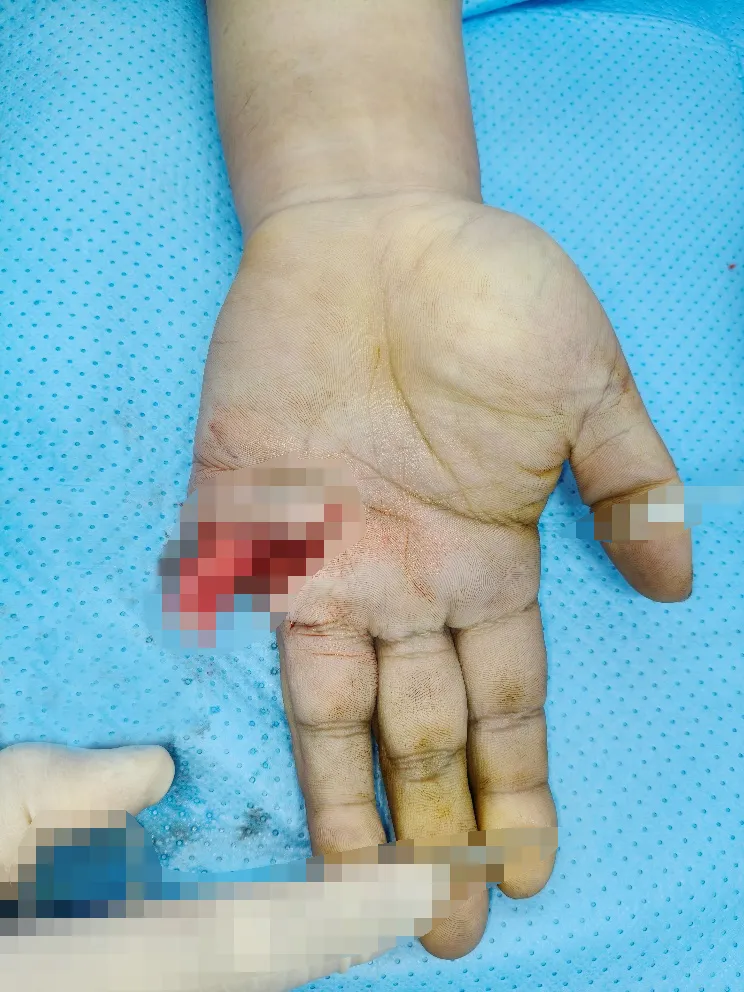
Restoring Function and Appearance Together
Traditional trauma care often focuses only on healing the wound. Edencare's Reconstructive & Microsurgery team follows a dual standard of functional reconstruction plus aesthetic repair. Tendons and nerves are repaired in a single stage, so the reconstructed finger can gradually regain grip, pinch, and fine movements, as well as temperature, pain, and touch sensation. The donor sites use minimally invasive closure to preserve the body's natural tissue.
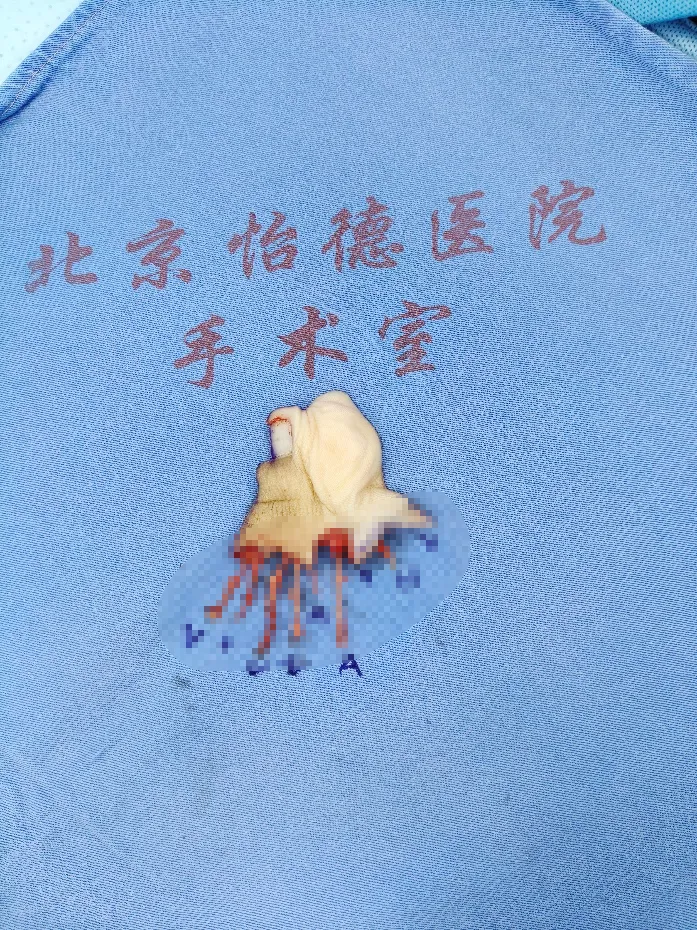
Around-the-Clock Trauma Care
Complex hand injuries depend not only on individual surgical skill but also on a hospital's emergency response and multidisciplinary coordination. Edencare's Reconstructive & Microsurgery department operates a 24/7 trauma emergency channel: on arrival, patients receive rapid assessment and a coordinated surgical plan, helping to make the most of the critical window for successful repair.
A Note on Individual Care
Every patient's injury is unique. The approach described here reflects one patient's experience and is shared for medical education. It is not a guarantee of outcome, and it does not replace a consultation with a qualified physician. If you have a hand injury, seek prompt evaluation at a qualified medical institution.
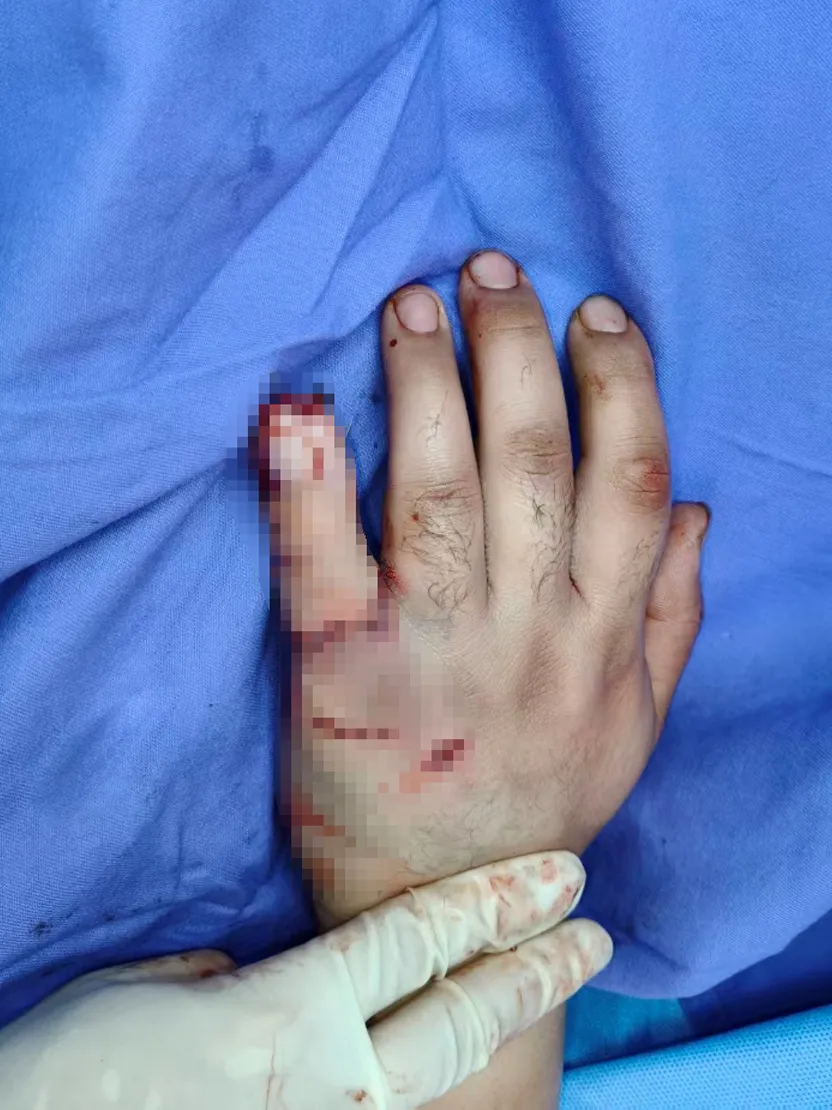
Hand Injury or Complex Wound?
Beijing Edencare Hospital's Reconstructive & Microsurgery team provides assessment, microsurgical reconstruction, and coordinated rehabilitation planning. Our international patient team can arrange your visit in English or other languages.